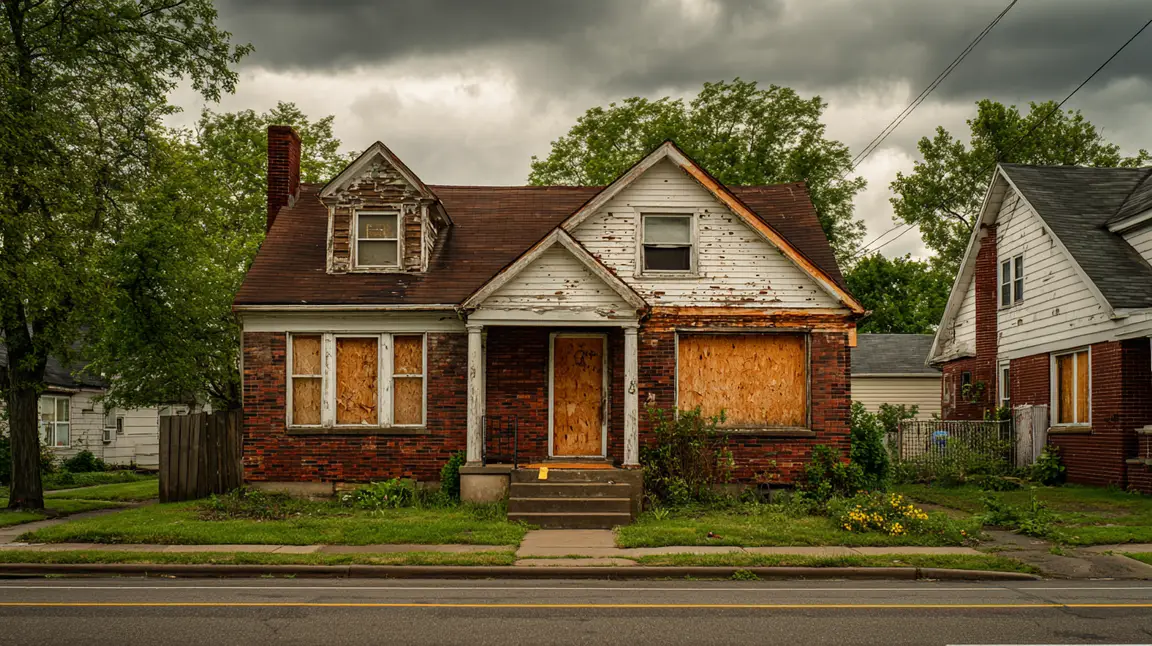

If you own a house in Cleveland or anywhere in Cuyahoga County that needs repairs, has been inherited,
is facing foreclosure, or simply won’t qualify for traditional financing, you may already know that getting an
accurate appraisal can be difficult. Distressed properties are not valued the same way as clean,
move-in-ready homes. Condition matters. Deferred maintenance matters. Water damage, outdated
systems, code violations, foundation issues, tenant problems, and even the stigma surrounding a property
can dramatically affect value. Whether you are dealing with a foreclosure in Maple Heights, an inherited
property in Parma, or a fixer-upper in East Cleveland, this guide explains how distressed property
appraisals work in Northeast Ohio and what sellers should expect.
What Is a Distressed Property?
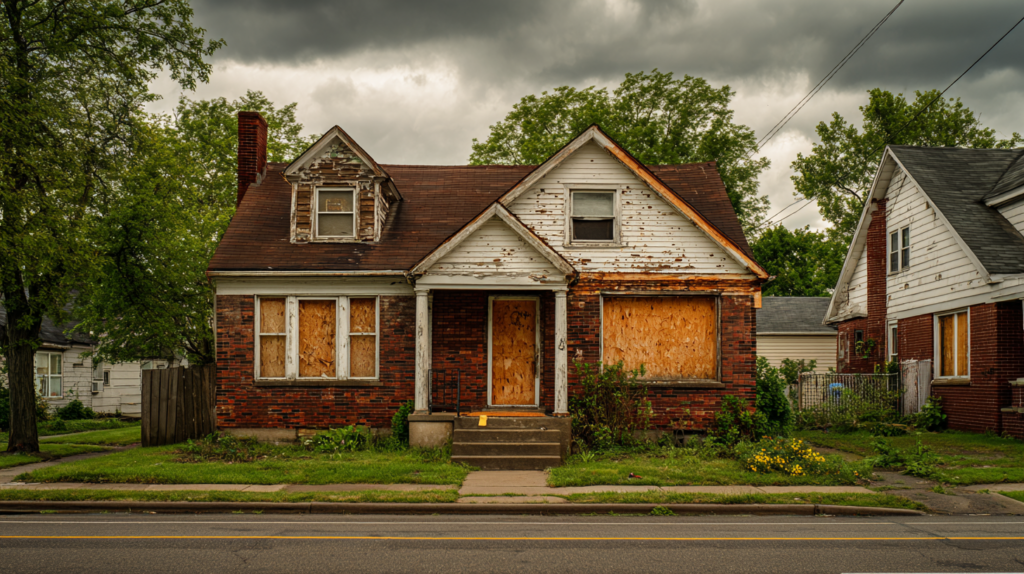
A distressed property is a home with issues that negatively affect its value, financing eligibility, or
marketability. Common examples include:
- inherited houses with deferred maintenance
- foreclosure properties
- vacant homes
- fire-damaged houses
- hoarder houses
- homes with code violations
- rental properties with bad tenants
- properties needing major repairs
Why Distressed Homes Appraise Differently
A traditional appraisal assumes the property is in average or marketable condition. But distressed homes
require much larger adjustments because:
- lenders may refuse financing
- repairs affect livability
- buyers perceive higher risk
- repair costs reduce market value
- fewer buyers are willing to purchase the property
The Most Common Appraisal Method
The sales comparison approach is the primary method used throughout Cleveland and Cuyahoga County.
The appraiser compares your property to recently sold homes with similar:
- square footage
- age
- location
- condition
- repair level
- layout For distressed homes, appraisers specifically look for fixer-uppers, foreclosure sales, investor
purchases, and as-is transactions.
What Appraisers Look At in Distressed Homes
Structural Problems
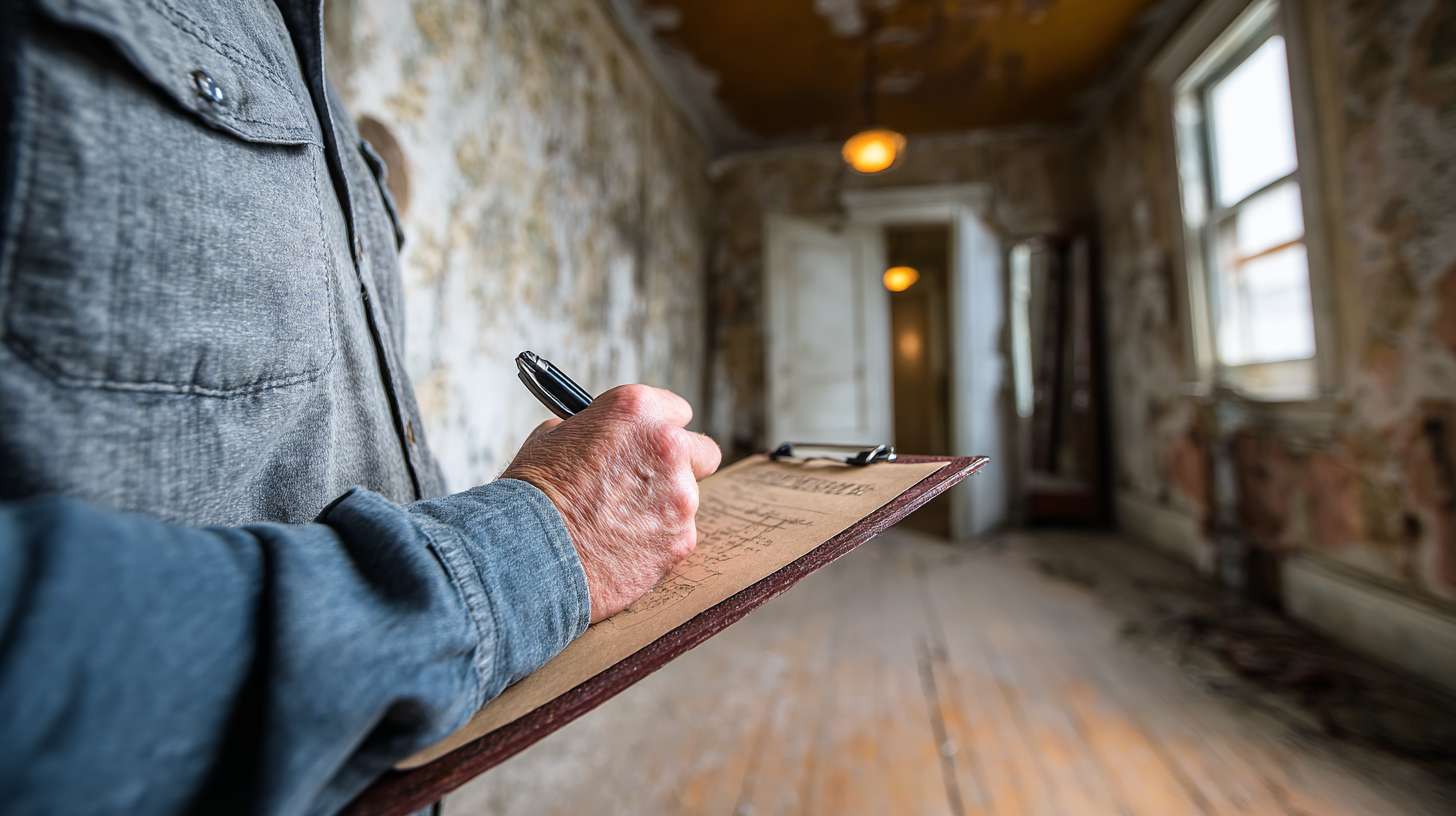
Foundation issues, sagging floors, cracked walls, settling, or roof problems can significantly reduce value.
Water Damage & Mold
Common in older Cleveland-area homes, especially vacant properties.
Outdated Mechanical Systems
Old electrical panels, plumbing issues, broken furnaces, and failing HVAC systems reduce value.
Deferred Maintenance
Peeling paint, damaged flooring, broken windows, and neglected landscaping all matter.
Can a House Fail an Appraisal?
Technically, no — but homes can fail lender requirements. Common reasons include:
- peeling lead paint
- unsafe electrical systems
- major roof damage
- mold and water intrusion
- plumbing leaks
- broken furnaces When homes cannot qualify for financing, buyer pools shrink and cash buyers become
more important.
Inherited Homes and Probate Appraisals
Inherited houses are one of the most common distressed property scenarios in Northeast Ohio. Many
inherited homes:
- have not been updated in decades
- contain large amounts of personal belongings
- need expensive repairs
- sit vacant for long periods Probate appraisals help determine fair market value for estate planning, taxes,
and property distribution.
Investor Value vs Retail Value
Retail value is what a fully repaired home may sell for on the open market. Investor value is what a buyer
can reasonably pay today while accounting for repairs, holding costs, labor, financing, and risk. This is why
distressed properties often receive lower offers than renovated homes nearby.
Do Cash Buyers Need Appraisals?
Many professional cash buyers evaluate properties internally using:
- comparable sales
- repair estimates
- neighborhood trends
- resale projections Cash buyers often purchase homes as-is without lender repair requirements or
financing delays.
How to Increase the Value of a Distressed Property
Sometimes small improvements can help significantly:
- removing debris
- basic cleanup
- fixing safety hazards
- securing vacant homes
- addressing odors
- repairing
Should You Sell As-Is or Fix the Property First?
This depends on:
- repair costs
- timeline
- financial situation
- stress level
- financing eligibility
- market conditions Many distressed sellers choose as-is sales because repairs are too expensive or
timelines are too tight.

Need to Sell a Distressed House in Cleveland or Cuyahoga County?
Legacy Home Solutions works with homeowners facing difficult property situations throughout Northeast
Ohio. We buy houses:
- as-is
- with no repairs needed
- with no commissions
- with no cleanup required Including inherited homes, foreclosure properties, vacant houses, fire-damaged
homes, and major repair situations.
Frequently Asked Questions
How much does a home appraisal cost in Cuyahoga County?
Most residential appraisals range from $400–$700 depending on complexity and condition.
Can mold lower a home appraisal?
Yes. Mold and water damage can significantly reduce value and financing eligibility.
Can I sell a house that won’t pass inspection?
Yes. Many cash buyers purchase properties as-is without requiring repairs.
Final Thoughts
Distressed property appraisals are very different from standard home valuations. In older housing markets
like Cleveland and Cuyahoga County, condition can dramatically affect buyer demand, financing eligibility,
repair costs, and final sale price. Understanding how appraisers evaluate distressed homes helps sellers
make smarter decisions and avoid unrealistic expectations. Contact Kelly at Legacy Home Solutions for further inquiries.