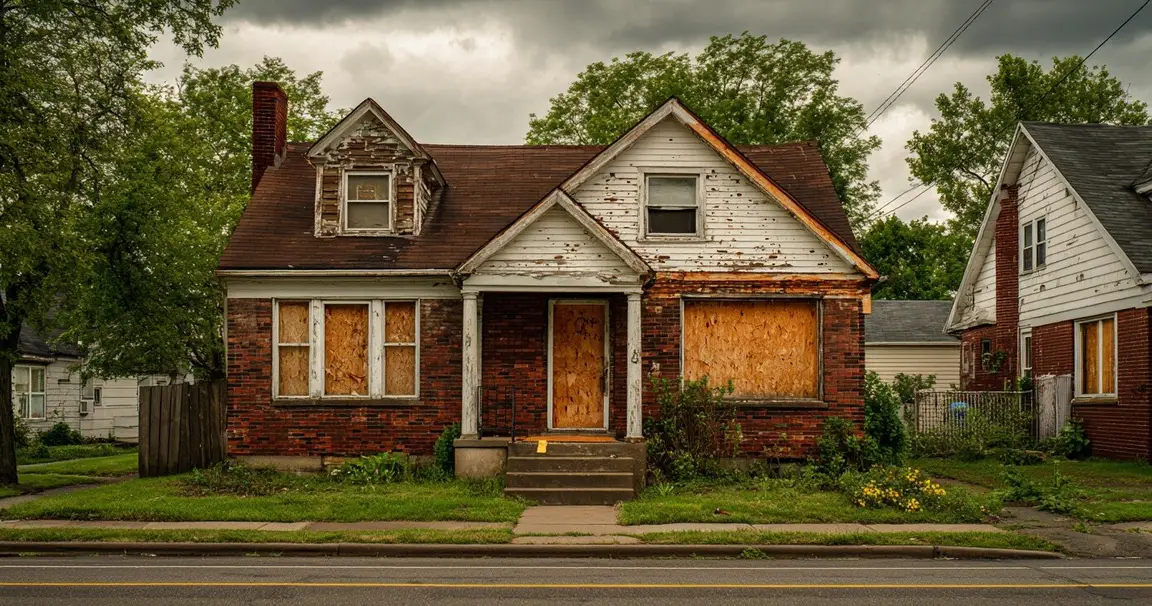

Inheriting a house can feel like inheriting a valuable asset—and it often is.
But a house can also keep generating bills every month it remains in the estate.
Property taxes continue. Insurance may still be necessary. Utilities don’t automatically disappear. The grass keeps growing. Snow still needs to be handled. A vacant house can develop maintenance problems, and an existing mortgage doesn’t vanish just because the owner died.
Individually, some of these expenses may not seem significant.
Together, over six months or a year, they can materially reduce what the estate or heirs ultimately receive.
At Legacy Home Solutions, we work with inherited and probate properties throughout Northeast Ohio, including Cuyahoga, Medina and Summit counties. One thing families should understand before deciding to hold an inherited property is the difference between its potential sale price and what the estate will actually net after the costs of keeping and selling it.
Here’s what to consider.
Quick Answer: How Much Does It Cost to Keep an Inherited House in Ohio?
There is no single average cost for holding an inherited Ohio property. The total depends on the home’s property taxes, insurance, utilities, mortgage, condition, maintenance needs and how long the estate keeps it.
Common carrying costs can include:
- Property taxes
- Home or vacant-property insurance
- Electricity
- Natural gas
- Water and sewer
- Mortgage payments
- HOA fees
- Lawn care
- Snow removal
- Repairs
- Cleaning and cleanout
- Security or property monitoring
- Travel expenses for out-of-town heirs
The important number isn’t what one month costs.
It’s what all of those expenses combined cost the estate over the entire holding period.
A relatively manageable $500 or $800 per month becomes a very different number after six, nine or twelve months.
1. Property Taxes Continue While You Own the House
One of the easiest expenses to overlook is property tax.
The fact that nobody is living in an inherited house doesn’t eliminate its property-tax obligation.
This is particularly important in Northeast Ohio because real-estate taxes may not arrive as a simple monthly bill.
For example, Cuyahoga County real-estate property taxes are billed twice each year and in arrears. That means taxes accruing in one year are generally collected during the following year.
A family can therefore inherit a property and later encounter a substantial tax bill even though the original owner has died.
If taxes become delinquent, penalties and interest can make the situation more expensive.
For an inherited house in Cleveland, Parma, Strongsville, Lakewood, Euclid or elsewhere in Cuyahoga County, check the current county tax records early instead of waiting until the property is ready to sell.
For properties in Medina or Summit County, check with the appropriate county treasurer as well.

Don’t Confuse Property Taxes With Estate Taxes
These are different things.
Ohio repealed its estate tax for people who died on or after January 1, 2013. That repeal does not eliminate property taxes on an inherited house.
The practical question for heirs is simple:
What does this particular property cost in taxes every year, and how much of that expense will the estate absorb if we keep the house another six or twelve months?
2. Insurance Can Become More Complicated After a Death or Vacancy
Insurance is another expense families sometimes assume will simply continue unchanged.
Don’t make that assumption.
When the owner dies or a house becomes vacant, contact the appropriate insurance company and explain the circumstances.
Coverage requirements and premiums depend on the insurer, policy and property.
This is especially important for an inherited home that may sit empty while probate is being handled.
You don’t want to discover after a fire, burst pipe or other loss that there is a coverage problem because the insurer wasn’t informed about the property’s occupancy status.
Insurance is therefore more than another bill.
It’s part of protecting an estate asset while the family decides what to do with it.
3. Utilities Rarely Drop Completely to Zero
It may seem logical to shut everything off as soon as a house becomes vacant.
In Northeast Ohio, that isn’t always practical.
During winter, for example, a house may need enough heat to reduce the risk of frozen pipes.
Depending on the property, you may continue paying for:
- Natural gas
- Electricity
- Water
- Sewer
- Trash service
- Internet or security services
Some bills may be reduced substantially once nobody lives there.
But maintaining a completely unheated Northeast Ohio house through winter can create risks far more expensive than the utility savings.
The objective is not necessarily to shut everything off.
It’s to determine what services are actually necessary to protect the house and then include those costs in your holding-cost calculation.
4. The Mortgage Doesn’t Automatically Go Away
If the deceased homeowner still had a mortgage, that debt needs to be addressed as part of the estate and property situation.
Don’t assume that inheriting a house means inheriting it free and clear.
Find out early:
- Whether a mortgage exists
- The remaining balance
- The required payment
- Whether payments are current
- Whether other loans or liens are secured by the property
If mortgage payments continue while the estate is being handled, they can become one of the property’s largest monthly carrying costs.
A $1,000 monthly mortgage adds another $6,000 to the estate’s cash outflow over six months.
Check whether that payment includes escrow for property taxes and insurance. Count those expenses only once. Mortgage principal payments reduce the loan balance, so cash outflow is not the same as money permanently lost.
5. Vacant Houses Still Need Maintenance
Nobody lives there.
Unfortunately, the grass doesn’t know that.
Neither do weeds, gutters, trees, snow or leaking plumbing.
An inherited house may still require:
- Lawn mowing
- Leaf removal
- Snow removal
- Gutter cleaning
- Pest control
- Minor repairs
- Plumbing maintenance
- HVAC service
- Property checks
These expenses can be especially frustrating because individually they may look small.
A lawn service here. A plumber there. Snow removal after a storm.
Over several months, however, they accumulate.
And if the property is located in a municipality or HOA with maintenance requirements, ignoring exterior upkeep may create additional problems.
6. Small Repairs Can Become Expensive Problems
This is one of the costs that can’t be predicted on a spreadsheet.
A vacant property doesn’t stop aging.
A small roof leak can become ceiling and drywall damage.
A plumbing leak can become water and mold damage.
A failed furnace during a cold Northeast Ohio winter can contribute to frozen pipes.
A basement water problem can damage flooring, walls and stored belongings.
A fallen tree or storm can create an immediate repair expense.
This creates an important distinction between monthly carrying costs and risk costs.
Monthly carrying costs are fairly predictable.
Unexpected property damage isn’t.
The longer a vacant or distressed house is held, the longer the estate remains exposed to those possibilities.
That doesn’t mean families should rush into a sale.
It means the risk of waiting should be part of the decision.
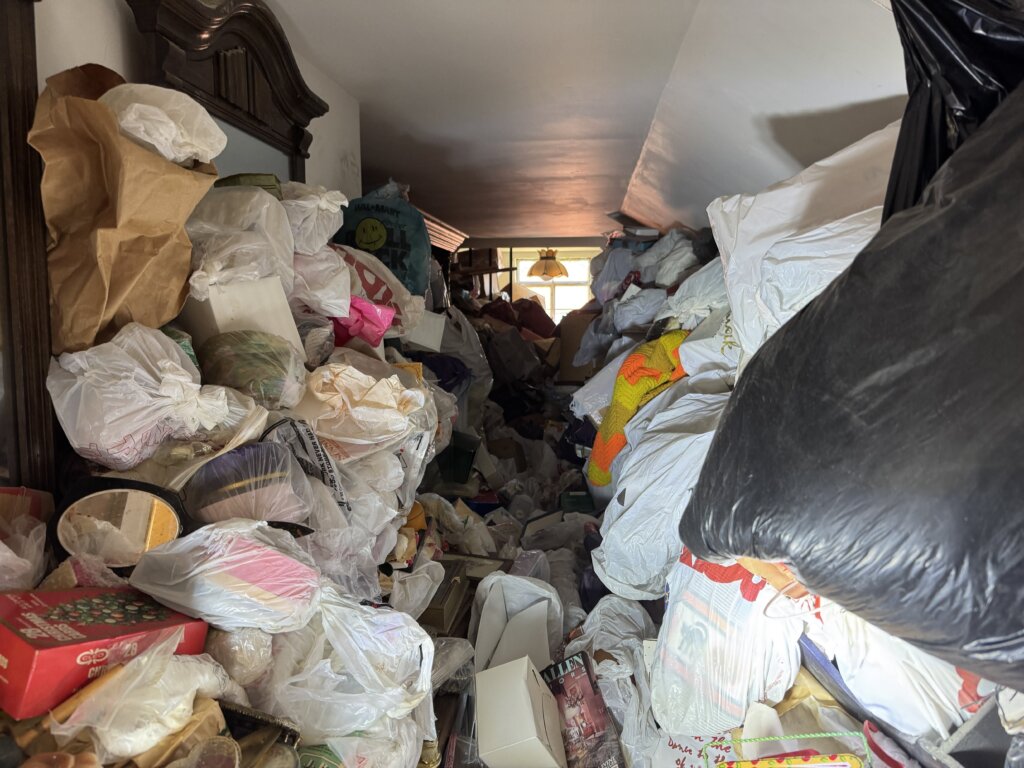
7. Cleanout Costs Can Be Much Larger Than Expected
Inherited properties often contain decades of belongings.
Furniture, clothing, tools, paperwork, appliances, boxes, basement storage, garage contents and family possessions may all need to be addressed.
Families might hire:
- Junk-removal companies
- Dumpster services
- Cleaners
- Estate-sale companies
- Movers
- Donation pickup services
There may also be valuable or sentimental belongings that need to be sorted carefully rather than simply discarded.
If several family members live outside Northeast Ohio, the cleanout can become even more expensive because travel and time off work get added to the equation.
Before paying thousands of dollars to completely empty an inherited house, decide how you intend to sell it.
If you’re selling traditionally, cleaning and preparing the property may improve its marketability.
If you’re considering an as-is sale, a complete cleanout may not be necessary.
8. Repairs and Renovations Create Both Direct and Holding Costs
Suppose the family believes spending $30,000 renovating an inherited house could increase its eventual sale price.
That might be a good decision.
But don’t evaluate the renovation using only these two numbers:
Cost of renovation: $30,000
Potential increase in sale price: $50,000
The calculation isn’t finished.
If renovation takes four months, the estate may also incur another four months of:
- Property taxes
- Insurance
- Utilities
- Mortgage payments
- Lawn care
- Maintenance
- HOA fees
- Other property expenses
Then there may be selling expenses after the work is finished.
A renovation should therefore be evaluated based on the likely net return, not merely the expected increase in the home’s sale price.
9. Out-of-State Heirs Have Additional Costs
If you live in Columbus and inherit a Cleveland property, managing the house is inconvenient.
If you live in Florida, Texas or California, it’s a different problem entirely.
Travel costs may include:
- Airfare
- Hotels
- Rental cars
- Gas
- Meals
- Lost work time
- Repeated trips to Ohio
There is also the less obvious cost of your time.
Coordinating contractors, cleaners, estate sales and property maintenance from hundreds of miles away can become a significant responsibility.
In situations like that, the question isn’t only what the house is worth.
It’s also:
How much time, travel and work are we willing to put into getting it sold?
10. Probate and Sale Expenses Can Reduce Net Proceeds
When an inherited property is part of an estate, there can also be costs connected with administering and selling the property.
The exact costs depend on the estate and the procedure used.
Ohio law recognizes costs and expenses associated with certain probate real-estate sales. Depending on the situation, those can include attorney services connected with the sale, fiduciary compensation approved by the court, title-related expenses and other authorized costs.
Ohio law also provides for taxes, assessments, mortgages and judgments affecting property to be addressed in the distribution of proceeds from certain probate sales.
This doesn’t mean every estate will have every one of these expenses.
It means the gross selling price of an inherited house should not automatically be treated as the amount the heirs will receive.
The relevant number is the estate’s net proceeds after applicable obligations and selling expenses are accounted for.
11. The Cost Nobody Sees: Your Time
This cost won’t appear on a tax bill.
But it’s real.
An executor or family member may spend hours:
- Calling contractors
- Meeting cleaners
- Sorting possessions
- Getting repair estimates
- Talking with insurance companies
- Checking utilities
- Coordinating relatives
- Reviewing offers
- Traveling to the house
- Managing paperwork
- Dealing with unexpected problems
That might be completely worthwhile if doing the work substantially increases what the estate receives.
But time has value.
When comparing selling options, ask:
How much additional money are we likely to net in exchange for the additional work and time?
That’s a much more useful question than simply asking which method produces the highest advertised sale price.
12. What Could Six Months of Holding an Inherited House Cost?
Here’s a simple example.
These are hypothetical numbers, not an estimate of what your property will cost.
Suppose an inherited Northeast Ohio property has the following monthly cash requirements. The $800 mortgage amount below excludes property-tax and insurance escrow:
| Expense | Monthly Equivalent |
|---|---|
| Property taxes | $400 |
| Insurance | $175 |
| Gas/electric/water | $200 |
| Lawn/maintenance | $125 |
| Mortgage principal and interest (no escrow) | $800 |
| Total | $1,700/month |
The total cash outflow over another six months would be:
$1,700 × 6 = $10,200
And that doesn’t include:
- Major repairs
- Cleanout
- Travel
- Renovation
- Estate administration or probate expenses
- Selling expenses
- Unexpected damage
Remove the mortgage from this example and the property would still cost approximately $5,400 over six months under these hypothetical assumptions.
This is a cash-budget example, not a calculation of lost equity. The principal portion of mortgage payments reduces the balance owed. When comparing sale proceeds, use the expected payoff at each closing date and avoid subtracting principal twice.
Calculate Your Own Inherited-House Holding Cost
Use this simple formula:
Add the following monthly amounts, counting escrowed taxes and insurance only once:
- Mortgage principal and interest, excluding escrow
- Monthly equivalent of annual property taxes
- Monthly insurance
- Average utilities
- Lawn/snow/property maintenance
- HOA fees
- Other recurring property expenses
= Estimated monthly holding cost
Then multiply that number by the amount of time you realistically expect to keep the property.
For example:
$_______ monthly holding cost × _______ months = $_______
Then separately estimate:
Cleanout: $_______
Repairs: $_______
Renovation: $_______
Travel: $_______
Selling expenses: $_______
Other: $_______
Now you’re comparing selling options using real numbers instead of assumptions.
13. Does Waiting Ever Make Sense?
Absolutely.
This article isn’t saying every inherited house should be sold immediately.
There are legitimate reasons to hold a property.
For example, the family may need time to:
- Complete necessary estate procedures
- Determine who has authority to sell
- Resolve title problems
- Sort important belongings
- Get professional valuations
- Make financially worthwhile repairs
- Allow an occupant reasonable time to move
- Evaluate whether keeping the property makes sense
A house in excellent condition with low carrying costs may also be very different from a vacant property needing $50,000 in repairs.
The goal isn’t:
Sell as fast as possible.
The goal is:
Know what waiting costs so you can make an informed decision.
14. Fix It, List It, Keep It or Sell It As-Is?
Most families ultimately have several options.
Keep the Property
This may make sense if an heir wants to live in the home or the family has a viable long-term plan for it.
Repair and List It
For a house with strong retail potential, investing in strategic improvements and selling traditionally may produce the highest net proceeds.
Calculate renovation and holding costs before deciding.
List It As-Is
A real estate agent may be able to market the property without major renovation, although buyer inspections, financing and negotiations may still be factors.
Sell Directly As-Is
A direct sale can eliminate many preparation steps.
Legacy Home Solutions purchases inherited, probate and repair-heavy houses throughout Northeast Ohio in their current condition.
That means you can ask us to evaluate a property before spending money on repairs or a major cleanout.
A direct as-is offer may be lower than the potential retail price of a renovated home. The useful comparison is therefore not simply:
Cash offer vs. retail asking price.
Compare:
Expected net proceeds after expenses, alongside the required time, work and uncertainty under each option.
Then choose the approach that makes the most sense for the estate.
How Legacy Home Solutions Helps With Inherited Houses
Legacy Home Solutions is a local father-and-son company operated by Kelly and Brandon McEntire.
We’ve been involved in Northeast Ohio real estate since 2008 and work with inherited, probate, trust-owned and repair-heavy properties throughout Cuyahoga, Medina and Summit counties.
Inherited houses aren’t always ready to list.
We’ve encountered estate properties that need significant repairs, contain years of accumulated belongings or are being managed by family members who simply don’t have the time or energy to renovate them.
Those situations are why we encourage families to understand all of their options before spending money preparing an inherited property for sale.
If renovating and listing produces the best outcome, that’s useful to know.
If selling the house as-is makes more sense after you account for the costs and work involved, that’s useful to know too.
Before You Spend Money on an Inherited House, Do This
Before paying for a dumpster, contractor or full renovation:
- Find the current property-tax amount.
- Determine whether a mortgage or other loan exists.
- Verify appropriate insurance coverage.
- Calculate average utility expenses.
- Estimate lawn, snow and maintenance costs.
- Identify necessary repairs.
- Estimate cleanout costs.
- Determine whether probate or title issues may affect timing.
- Calculate the property’s approximate monthly holding cost.
- Compare realistic net proceeds under each selling option.
That gives the family something much more valuable than a guess.
It gives you numbers.
Selling an Inherited House in Cleveland or Northeast Ohio?
If you’re responsible for an inherited house in Cleveland, Cuyahoga County, Medina County, Summit County or surrounding Northeast Ohio, you don’t have to renovate the property before finding out what your options are.
Legacy Home Solutions buys houses directly and in as-is condition.
Kelly and Brandon can look at the property as it sits—including houses with deferred maintenance, unwanted belongings or significant repairs—and provide a written option for you to consider.
Then compare that option with the likely costs and net proceeds of keeping, repairing or traditionally listing the house.
There is no obligation to accept an offer.
Call Legacy Home Solutions at (440) 973-6024 to discuss the property.

Frequently Asked Questions About the Cost of Holding an Inherited Ohio Property
Do property taxes stop when someone dies in Ohio?
No. A homeowner’s death does not by itself eliminate the real-estate taxes associated with the property. Check the appropriate county treasurer’s records to determine the current amount and whether any taxes are delinquent.
How often are property taxes paid in Cuyahoga County?
Cuyahoga County currently bills real-estate property taxes twice a year and in arrears. Exact due dates can change, so check the Cuyahoga County Treasurer’s current tax calendar rather than relying on a previous year’s dates.
Should I shut off utilities in an inherited house?
It depends on the house, season and utility. Completely shutting off heat in a vacant Northeast Ohio property during freezing weather, for example, may create plumbing risks. Determine which services are necessary to protect the property.
Do I still need insurance if an inherited house is empty?
An empty house still needs to be protected, but insurance requirements can change when a homeowner dies or a property becomes vacant. Contact the appropriate insurer, disclose the circumstances and determine what coverage is required.
Should I renovate an inherited house before selling it?
Sometimes. Compare the expected increase in net sale proceeds with renovation expenses and the additional carrying costs created while the work is completed. A higher selling price does not automatically mean a higher net return.
Do I have to clean out an inherited house before selling it?
Not always. A traditional listing may benefit from cleaning and preparation, but some direct buyers purchase properties as-is. Legacy Home Solutions can evaluate inherited properties with agreed-upon unwanted belongings remaining.
Is it better to sell an inherited house quickly?
Not necessarily. Some estates need time to resolve probate, title, valuation or family issues, and some properties may benefit financially from repairs. The important thing is to know what the property costs to hold while you evaluate those options.
How can I calculate whether waiting to sell is costing too much?
Add the property’s recurring monthly expenses and multiply them by the expected holding period. Then add anticipated one-time expenses such as cleanout, repairs, travel and renovation. Compare that amount against the expected financial benefit of waiting.
Ohio and Northeast Ohio Resources
For readers who want to verify property expenses or learn more about Ohio estate-property rules, useful starting points include:
- Cuyahoga County Treasurer — property-tax bills, deadlines and payment information
- Ohio Revised Code Chapter 2113 — executors and administrators
- Ohio Revised Code Section 2127.38 — distribution of proceeds from certain probate real-estate sales
- Your county probate court, county treasurer and county recorder
This article provides general educational information. Costs, coverage, title and sale procedures depend on the property and estate. All dollar examples are hypothetical.