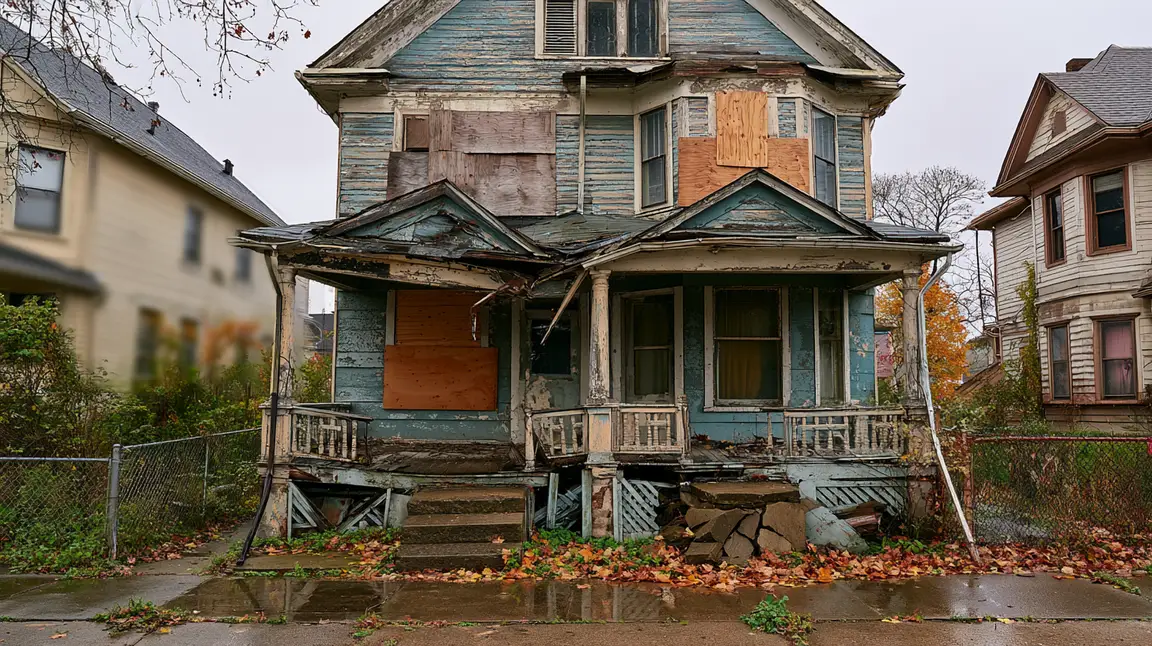

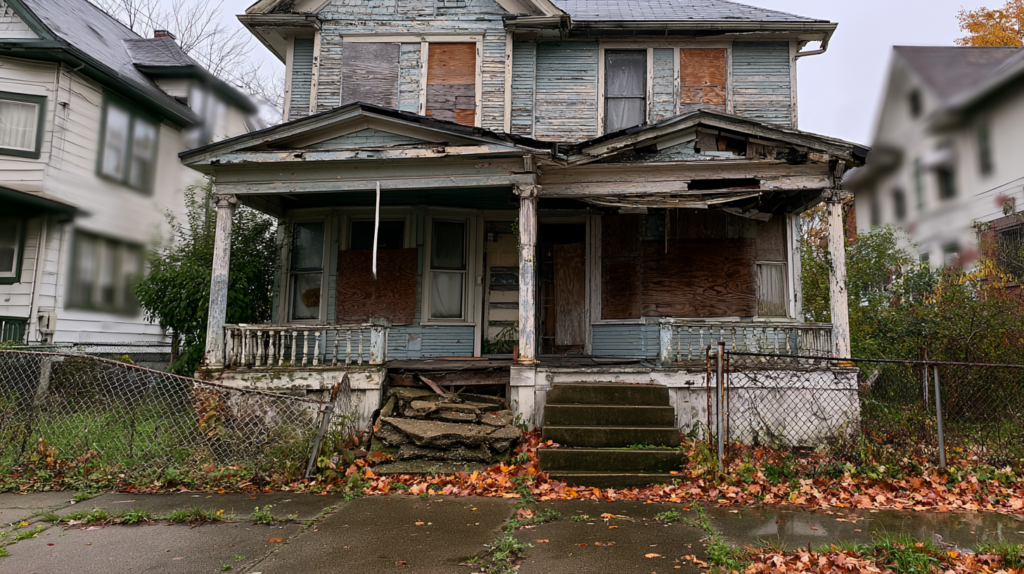
Inheriting a house can be complicated enough when the property is down the street. When you live several hours away—or in another state entirely—the process can feel overwhelming.
Who checks on the house? What happens to everything inside? Do you need to clean it out? Should you make repairs? And can you sell an inherited house in Ohio without constantly traveling back and forth?
At Legacy Home Solutions, we work with homeowners, heirs and executors throughout Northeast Ohio, including families handling inherited properties from outside the area.
Quick Answer: Can You Sell an Inherited Ohio House From Another State?
Yes, an inherited Ohio house can potentially be sold even when the executor or heir lives in another state. The exact process depends on how the property is titled, whether probate is required, who has legal authority to sell, and the terms of the will or estate.
Once those issues are established, much of the practical sale process may be coordinated from a distance.
If the property needs substantial repairs or still contains furniture and unwanted belongings, selling the house as-is may also eliminate much of the cleaning, renovation and property management that can make an out-of-state estate difficult to handle.
Here are the major steps to consider.
1. Determine Who Has Legal Authority to Sell the House
Before hiring contractors, cleaning out the property or accepting an offer, determine who has legal authority over the home.
Depending on the situation, that could involve:
- An executor named in a will
- A court-appointed administrator
- One or more heirs who have received ownership
- A trustee if the property was held in a trust
This distinction matters because inherited properties do not all follow the same legal process.
For example, Ohio law provides that when a qualified executor, administrator or testamentary trustee is authorized by the will or devise to sell real property, a separate probate-court order generally is not required to exercise that power unless the authority is expressly limited.
Ohio law also provides other methods for selling estate real estate in circumstances where that authority does not exist.
Before signing a contract to sell an estate property, make sure you understand who actually has authority to make the sale. An Ohio probate attorney can advise you based on the particular estate.
2. Secure and Protect the Property
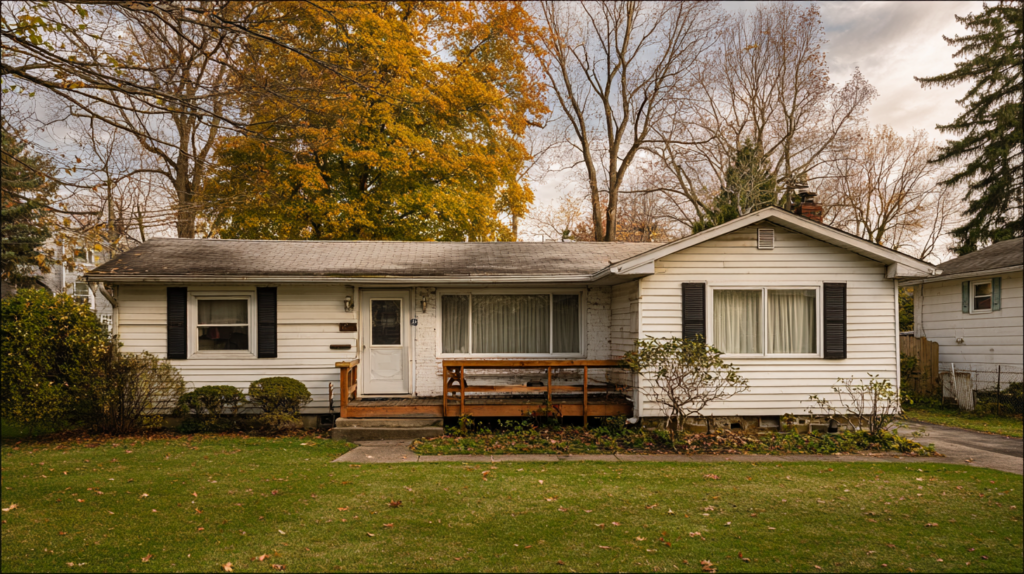
If nobody is living in the inherited house, protecting it should be one of your first priorities.
This becomes especially important when you live hundreds or thousands of miles away.
Have someone local check:
- Exterior doors and windows
- Plumbing for leaks
- Basement for water
- Heating during Northeast Ohio winters
- Mail and packages
- Lawn and exterior maintenance
- Signs of vandalism or unauthorized entry
- General condition of the property
You should also contact the appropriate insurance company.
Do not assume that the homeowner’s existing insurance coverage will simply continue unchanged after the owner’s death or after the property becomes vacant. Explain the situation to the insurer and determine what coverage is needed while the estate is being handled.
3. Don’t Empty the House Before You Know Your Plan
One of the biggest challenges with inherited properties often isn’t the house itself.
It’s everything inside.
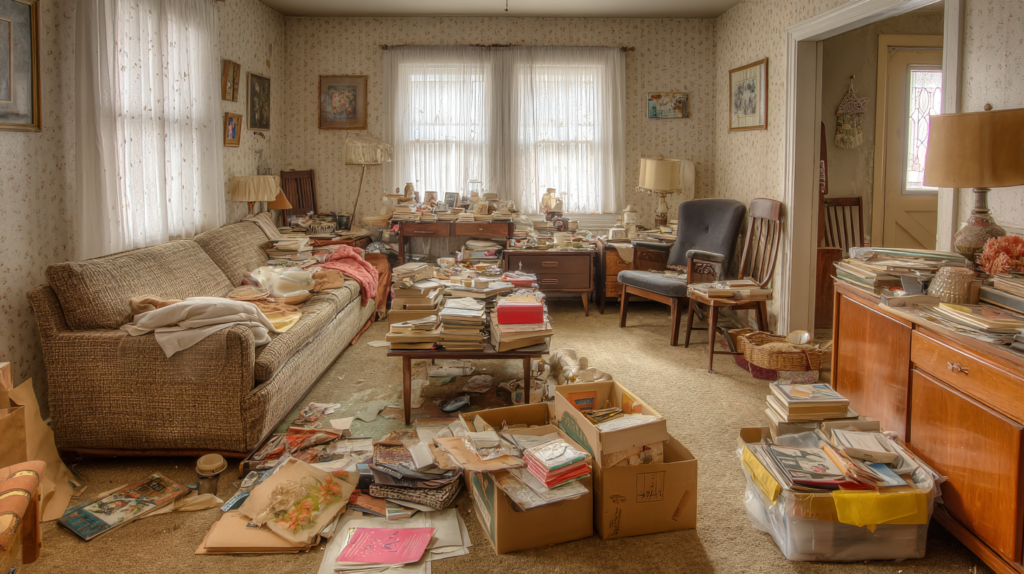
A home occupied for decades can contain furniture, photographs, paperwork, clothing, tools, collectibles, dishes and a lifetime of possessions.
Before ordering dumpsters or hiring a cleanout company, separate important items from things the family no longer wants.
Look for:
- Family photographs and keepsakes
- Wills and estate documents
- Property records
- Financial documents
- Insurance paperwork
- Tax records
- Jewelry and valuables
- Collectibles
- Items specifically left to beneficiaries
After important belongings have been identified, families generally have several options for what remains.
Items can be divided among relatives, sold through an estate sale, donated, disposed of or—in some as-is home sales—left at the property under the terms agreed upon with the buyer.
That last option can be particularly useful when you’re handling the house from another state.
4. Decide Whether Cleaning and Repairing the House Is Actually Worth It
It’s easy to assume that every inherited house should be cleaned, renovated and listed traditionally. Sometimes that’s the right decision. Sometimes it isn’t.
The important question isn’t simply:
How much could the house sell for after repairs?
A better question is:
How much will the estate actually receive after the costs, time and work required to get that price?
Consider repair and renovation expenses, cleaning and junk removal, utilities, taxes, insurance, maintenance, travel, real estate commissions and additional holding costs.
Compare Net Proceeds, Not Just Sale Prices
A higher sale price isn’t automatically the financially better option if reaching that price requires months of work and significant expenses.
Calculate what the estate is likely to net under each scenario.
For some families, repairing and listing the property traditionally makes sense. For others, selling as-is may be worth considering because it eliminates much of the expense, uncertainty and work.
5. Understand How Ohio Probate Can Affect the Sale
Not every inherited Ohio property follows the same process.
The process can depend on how the property was titled, whether there is a will, what authority the executor has, whether probate is required, whether there are multiple heirs, and whether the estate has debts or liens.
For example, Ohio Revised Code §2113.39 provides a method for a qualified executor, administrator or testamentary trustee who has authority under a will or devise to sell real property without obtaining a separate probate-court order for that sale, unless the authority is expressly limited.
Ohio law also provides other procedures for selling estate real property under different circumstances.
That’s why one family’s experience selling an inherited house may be completely different from another family’s.
If probate is involved, have an Ohio probate attorney explain which procedure applies before selling the property.
6. What If the Executor Lives Outside Ohio?

Living outside Ohio does not automatically prevent a person from serving as executor of an Ohio estate.
Ohio law permits certain nonresident executors who are named or nominated in a will to qualify. The requirements depend on the person’s relationship to the person who died and, in some circumstances, the laws of the state where the proposed executor resides.
However, Ohio treats an administrator differently from an executor named in a will. Ohio law generally requires an administrator, special administrator, administrator de bonis non or administrator with the will annexed to be an Ohio resident.
This is an important distinction if you’re trying to manage an Ohio estate while living elsewhere.
7. Real Example: Handling an Ohio Estate From Washington, D.C.
This isn’t only a hypothetical situation for Legacy Home Solutions.
We’ve worked with families dealing with exactly this problem.
One Legacy Home Solutions customer lived in Washington, D.C. while dealing with her late mother’s Ohio home. Her mother had kept a large amount of personal property, which made preparing the house for sale from several states away especially difficult.
Legacy purchased the property with its remaining contents and, according to the customer’s testimonial, completed the transaction in approximately two weeks.
Her experience highlights something important for out-of-state heirs:
You don’t necessarily have to renovate and completely empty an inherited house before you can sell it.
Every estate and property is different, but if cleanout and repairs are the biggest obstacles preventing you from moving forward, an as-is sale is an option worth comparing with a traditional listing.
You don’t have to make an inherited house perfect before asking us what it’s worth.
8. Investigate Mortgages, Liens and Title Problems Early
Inherited houses sometimes come with title issues the family didn’t know existed.
A title search may uncover existing mortgages, property-tax or judgment liens, old liens that were never properly released, ownership questions or other title defects.
These issues don’t necessarily mean the house can’t be sold, but discovering them early gives the estate, attorneys and title professionals more time to determine what must be resolved before closing.
9. Calculate What Waiting Is Costing the Estate
An empty inherited house can continue costing the estate money even when nobody is living there.
Ongoing expenses may include property taxes, insurance, utilities, lawn care, snow removal, HOA fees, mortgage payments and general maintenance.
There is also the risk of unexpected problems. A frozen pipe, leaking roof, failed furnace or flooded basement can quickly create additional expenses.
If the family already knows it doesn’t intend to keep the house, consider how much delaying the sale could cost the estate over several months.
10. Can You Handle the Sale Without Constantly Traveling to Ohio?
In many situations, substantial portions of an inherited-property sale can be coordinated without repeatedly traveling to Ohio.
Probate, title and closing requirements vary, so tell your attorney, title company and buyer from the beginning that you’re managing the property from another state. They can help determine what can be handled remotely and whether anything requires you to be physically present.
Out-of-State Inherited House Checklist
If you’ve inherited an Ohio property but don’t live nearby, start here:
- Determine who legally owns or controls the property.
- Speak with the estate’s probate attorney if probate is involved.
- Secure the house and verify appropriate insurance coverage.
- Locate important documents and valuables before cleaning anything out.
- Determine the property’s current condition.
- Estimate repair and cleanout costs.
- Calculate monthly holding costs.
- Investigate mortgages, liens and title issues.
- Compare the likely net proceeds from a traditional sale with an as-is sale.
- Build a reliable local team to handle tasks you can’t manage from a distance.
The objective isn’t necessarily to sell as quickly as possible.
It’s to make an informed decision without spending money or time on work that doesn’t improve the outcome for the estate.
Selling an Inherited House in Cleveland or Northeast Ohio From Out of State?
If you’ve inherited a property in Cleveland, Cuyahoga County, Medina County, Summit County or the surrounding Northeast Ohio area, you don’t necessarily have to turn it into a move-in-ready house before selling it.
Legacy Home Solutions is a father-and-son business operated by Kelly and Brandon McEntire. We’ve been involved in real estate since 2008 and purchase houses directly in as-is condition, including properties that need repairs, updating or significant cleanouts.
Kelly and Brandon can evaluate the house in its current condition, including unwanted belongings or deferred maintenance, and explain what Legacy would be willing to offer.
You can then compare our option with your other alternatives and decide what makes the most sense for the estate.
No obligation. No pressure to accept an offer.
Call Legacy Home Solutions at (440) 973-6024 to discuss an inherited Northeast Ohio property.
Frequently Asked Questions About Selling an Inherited Ohio House From Out of State
Can I sell an inherited house in Ohio if I live in another state?
Yes, living in another state does not by itself prevent an inherited Ohio house from being sold. The important questions are who owns the property, whether probate is involved and who has legal authority to sell it.
Can an executor live outside Ohio?
Certain nonresident executors named or nominated in a will can qualify in Ohio, subject to the requirements of Ohio Revised Code §2109.21. Ordinary administrators are subject to different residency requirements, so speak with the probate attorney handling the estate about your particular circumstances.
Do I have to wait until probate is completely finished to sell the house?
Not necessarily. Ohio provides multiple procedures under which estate real property may be sold during estate administration. Which procedure applies depends on the estate, the will, the executor’s authority and other circumstances.
Does an inherited house have to go through probate?
Not necessarily. Whether probate is required can depend on how ownership was structured and how the property passes after death. For example, property held under certain survivorship, trust or transfer-on-death arrangements may be treated differently. Have an Ohio attorney review the property’s ownership and estate documents.
Do I have to clean everything out before selling an inherited house?
Not necessarily. If you list the property traditionally, preparing and cleaning the house may affect marketability. Legacy Home Solutions purchases houses as-is and may be able to purchase a property with agreed-upon unwanted belongings remaining inside.
Should I repair an inherited house before selling it?
It depends. Estimate the potential increase in sale price and subtract renovation expenses, carrying costs, commissions or selling expenses, travel and the value of the additional time involved. Compare expected net proceeds rather than simply comparing sale prices.
Ohio Probate Resources
For readers who want to review the underlying Ohio law, useful starting points include:
- Ohio Revised Code §2109.21 — Residence Qualifications of Fiduciary
- Ohio Revised Code §2113.39 — Sale of Property Under Authority of Will
- Ohio Revised Code Chapter 2127 — Sale of Lands
- Ohio Revised Code §2109.021 — Fiduciary Filings by Mail or in Person
Probate and inherited-property situations can differ significantly from one estate to another. These statutes are useful general resources, but they aren’t a substitute for advice from an attorney familiar with the particular estate.
This article provides general information about inherited property, real estate and Ohio probate issues. It is not legal, tax or financial advice. Estate circumstances vary. Consult an appropriate Ohio attorney, tax professional or other qualified professional about your specific situation.