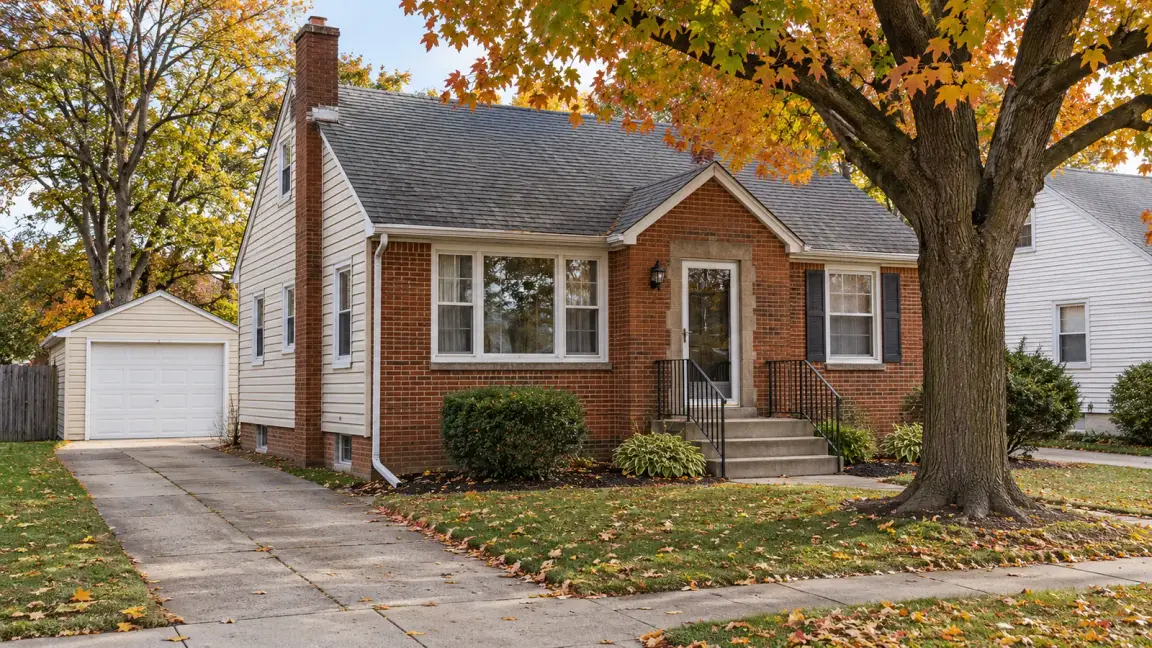
If you inherit a house with a mortgage in Ohio, the mortgage lien generally stays with the property. Inheriting the home alone does not automatically make you personally liable for the loan, but unresolved missed payments can put the house at risk of foreclosure. Certain relatives may be able to keep an existing mortgage rather than refinance. Selling is another option, with the loan typically paid from the closing proceeds.
The first step is to separate three questions: Who owns the house? Who signed or assumed the debt? And what must happen to keep the loan current?
Whether the property is in Cleveland, Parma, Brunswick, or Akron, answering those questions before spending money on repairs can help your family choose a workable next step.
Does the Mortgage Disappear When the Owner Dies?
No. Death does not erase the lender’s lien against the house. An Ohio appeals court explained this distinction in James B. Nutter & Co. v. Estate of Neifer: the property passed subject to its mortgage, while the recipients had not assumed personal liability for the note.
Ohio also has a specific rule for a house left through a will. Under Ohio Revised Code 2113.52(B), the beneficiary generally cannot demand that the mortgage be paid off from other estate assets unless the will specifically provides that right. A general instruction to pay debts is not enough.
Do not budget on the assumption that the estate will deliver a mortgage-free house. First establish the loan balance, available estate funds, and how the property is transferring.
Are You Personally Responsible for an Inherited Mortgage?
Ownership and debt liability are different. Receiving the property does not, by itself, mean you signed the deceased owner’s promise to repay the loan.
If you were already a co-borrower or co-signer, your existing obligations need separate attention. If you later formally assume the mortgage, that can also change your personal responsibility.
Even without personal liability on the note, you can lose your ownership interest if the secured loan remains in default. “I did not borrow the money” and “the lender cannot foreclose on this house” are different statements.
Before signing an assumption, refinance, or other agreement, identify whether it merely documents your ownership for servicing purposes or adds you as a borrower.
Can You Keep the Existing Mortgage Instead of Refinancing?
Often, a qualifying relative has protections that make keeping the existing loan possible.
A due-on-sale clause can allow a lender to demand repayment when property changes hands. However, federal law, 12 U.S.C. 1701j-3(d), prohibits enforcing that clause for specified transfers involving covered residential property with fewer than five dwelling units, including a transfer to a relative resulting from the borrower’s death.
This protection addresses acceleration because of the transfer. It does not cancel overdue installments, change the loan’s maturity date, or excuse other loan requirements. Do not assume every beneficiary or every loan qualifies. Reverse mortgages need separate treatment.
Successor recognition is different from assuming the debt
A successor in interest is someone who acquires a qualifying ownership interest. Under applicable federal servicing rules, once the servicer confirms that status, certain borrower protections apply even without an assumption of the mortgage obligation. See the CFPB’s successor-in-interest servicing rule.
The CFPB also explains that its ability-to-repay rules do not require a new ability-to-repay evaluation merely to let someone who already holds title take over the existing loan. That is not a blanket promise that every requested transaction must be approved. Ask the servicer to explain the process for your loan before accepting refinancing as the only choice.
What Should You Do First?
1. Contact the mortgage servicer

Call the company listed on the mortgage statement. Explain that the borrower died and ask for its deceased-borrower or successor-in-interest process.
Ask these questions:
- What documents establish my identity and ownership interest?
- How can payments continue while the documents are reviewed?
- What is the next payment due, and are there arrears?
- What type of loan is this, and are there other loans on the house?
- What options exist if the payment is unaffordable?
The CFPB’s inherited-home mortgage guidance explains that the servicer may request documents such as a death certificate, executed will, or executor’s letter. The required proof depends on the ownership situation. Request the checklist in writing and keep copies of submissions.
2. Confirm ownership and authority
Do not assume the person handling family paperwork is automatically authorized to sell. Identify the recorded ownership and the applicable estate, trust, survivorship, or transfer-on-death documents.
An Ohio transfer-on-death beneficiary takes the deceased owner’s interest subject to encumbrances under Ohio Revised Code 5302.23(B)(7)(a). Avoiding probate through that transfer does not wipe out the mortgage.
If the property is part of an estate, our guide to selling a house during probate in Ohio explains why sale authority and title must be confirmed before closing.
3. Build a complete carrying-cost budget

List the mortgage payment, taxes, insurance, utilities, maintenance, and immediate repairs. Check whether taxes and insurance are already included in escrow so you do not count them twice.
For a vacant Northeast Ohio house, include a plan for heat, water protection, and regular checks during cold weather. Tell the insurer about the owner’s death and any occupancy change, and ask what coverage is appropriate.
Keep a shared expense log if several relatives contribute. Record who paid, what the money covered, and the family’s proposed reimbursement arrangement rather than assuming everything will be divided automatically later.
Should You Keep, Refinance, or Sell the House?

Keep it with the existing loan
This can make sense when someone wants the property and can afford its full ongoing cost. Confirm the loan’s status, applicable transfer protections, and servicing requirements. A manageable mortgage payment can still leave little room for a roof, furnace, or other major expense.
Refinance when it serves a specific purpose
A new loan may help with a family buyout or another financing need. Compare the proposed interest rate, closing costs, payment, and repayment term with the existing loan. Refinancing replaces the old financing; it should be a deliberate choice rather than an automatic response to inheritance.
If siblings share the property, a loan decision does not resolve their ownership shares by itself. Work out who will own the house and how any buyout will be funded before choosing financing.
Sell and pay off the mortgage at closing
You generally do not need to pay the mortgage from personal savings before a sale. When the sale proceeds cover the required amounts, the closing process can use those proceeds to pay the mortgage and resolve other closing obligations.
The closing team needs an official payoff statement, not simply the principal balance on a monthly statement. Interest and other amounts can affect the figure required for the closing date.
Compare an as-is offer with realistic listing proceeds after preparation, selling expenses, and additional carrying costs. Our guide to fixing up versus selling an inherited Ohio house as-is walks through that decision.
How Much Could Remain After the Mortgage Is Paid?

Here is an illustrative calculation, not a valuation or a Legacy project:
| Item | Example amount |
|---|---|
| Sale price | $180,000 |
| Mortgage payoff | −$105,000 |
| Other liens and tax amounts payable at closing | −$8,000 |
| Seller’s closing expenses | −$7,000 |
| Remaining proceeds before other estate obligations | $60,000 |
That $60,000 is not automatically ready for immediate distribution to heirs. Ownership shares, estate obligations, and the actual settlement statement determine what happens next. Make sure tax and escrow adjustments are reconciled rather than counted twice.
If the house is worth less than the debt and selling expenses, an ordinary sale may leave a shortfall. Ask the servicer about available alternatives, including whether a short sale could be considered. A reduced payoff requires approval; a cash buyer cannot simply erase the lender’s lien.
What If Payments Are Already Behind?
Do not assume that death or probate automatically pauses payments or foreclosure activity. Ask for the delinquency amount, any foreclosure status, and available loss-mitigation options promptly.
A potential sale is not a substitute for a written arrangement with the servicer. Continue tracking notices and deadlines while marketing or negotiating. If communications stall, document the issue and consider a CFPB mortgage complaint.
For relatives managing the property from elsewhere, our out-of-state inherited-house guide offers a broader coordination checklist.
What If the House Has a Reverse Mortgage?
Identify this early. A reverse mortgage should not be treated like an ordinary loan that heirs can simply continue paying each month.
For a Home Equity Conversion Mortgage, repayment after death depends in part on surviving co-borrowers and eligible nonborrowing spouses. The CFPB’s reverse-mortgage inheritance guidance describes due-and-payable notices, short initial response periods, and possible extensions.
It also explains a sale option involving at least 95% of appraised value when the balance exceeds the home’s value. This is a HECM-specific protection, not a rule for every inherited mortgage. Ask the servicer for the loan type, appraisal requirements, exact payoff options, and deadlines in writing immediately.
Frequently Asked Questions
Does inheriting a mortgage hurt my credit automatically?
Receiving title alone is different from becoming a borrower. Determine whether you already signed the loan or later assumed personal liability before drawing conclusions about credit consequences.
Can I sell before the mortgage is paid off?
Yes, when the required payoff and other closing obligations can be satisfied through the transaction. The person signing must also have authority to sell.
Do all heirs have to refinance?
No. Refinancing is not an automatic inheritance requirement. Existing-loan options depend on the transfer, loan, and applicable protections; a buyout may create separate financing needs.
Does a transfer-on-death affidavit remove the mortgage?
No. Ohio’s statute expressly provides that a beneficiary takes the interest subject to encumbrances.
Considering Selling an Inherited House in Northeast Ohio?
Start with the documents and numbers: ownership, payment status, payoff amount, and likely net proceeds. Then compare keeping the property, listing it, and selling as-is.
Legacy Home Solutions buys inherited, probate, distressed, and unwanted houses throughout Cleveland and Northeast Ohio. Kelly and Brandon McEntire can discuss the property and an as-is purchase option with your family.
If selling fits your plans, contact Legacy Home Solutions about your inherited house. Share its location, condition, and what you know about the mortgage. Any sale still depends on clear authority, title requirements, and resolving the loan at closing.
Images in this article are AI-generated illustrations, not photographs of Legacy Home Solutions properties, projects, staff, or clients.